Perimenopause vs. Menopause: Stages, Symptoms & When to Treat

Reviewed by the ClearedRx Medical Network · Last updated May 7, 2026

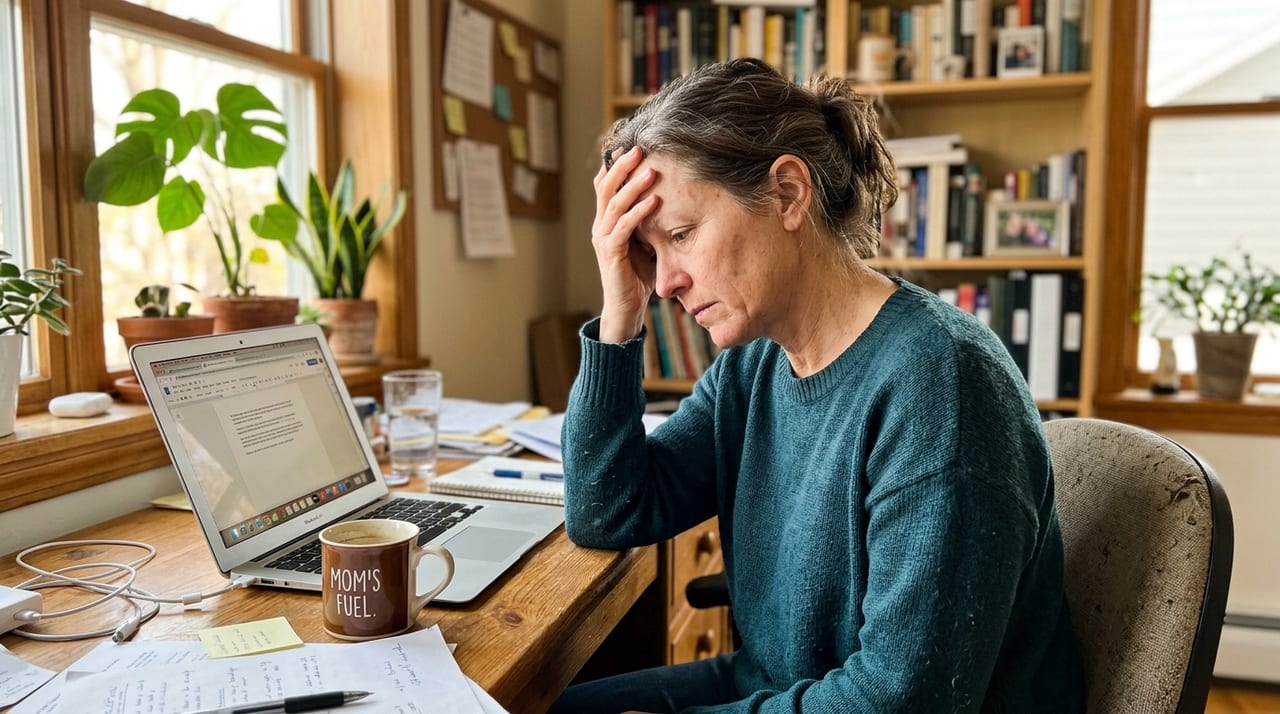
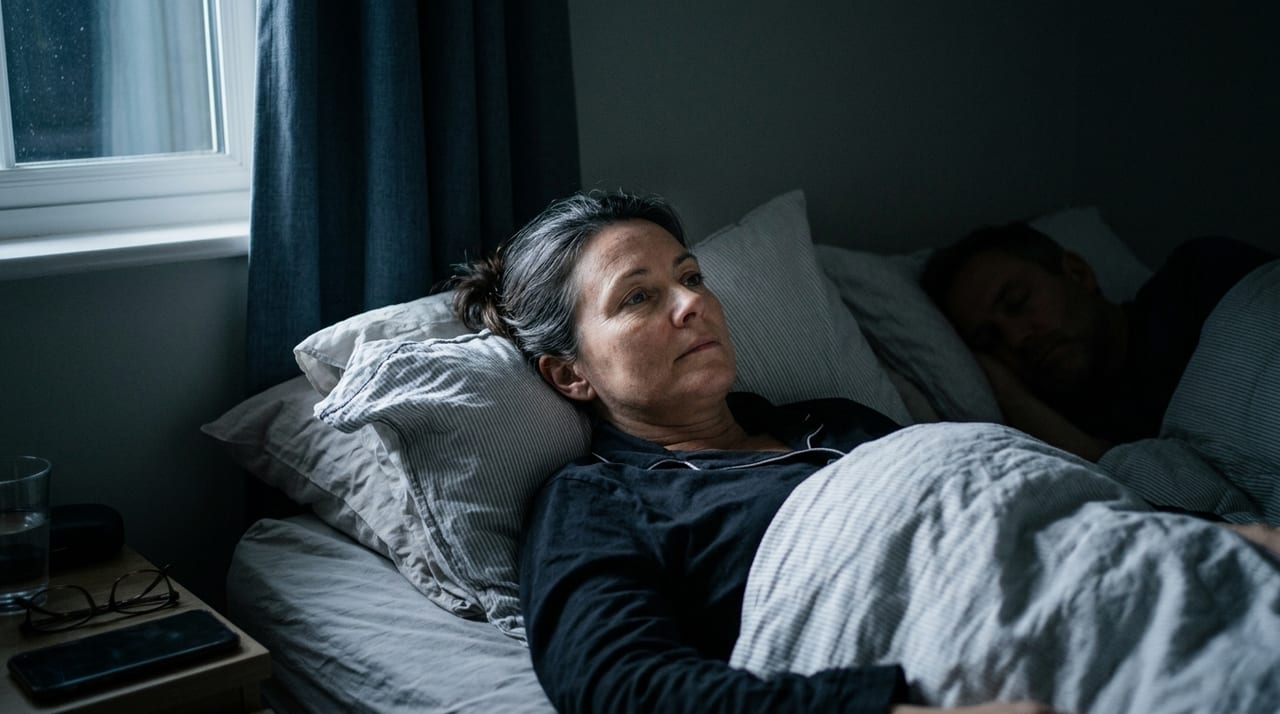
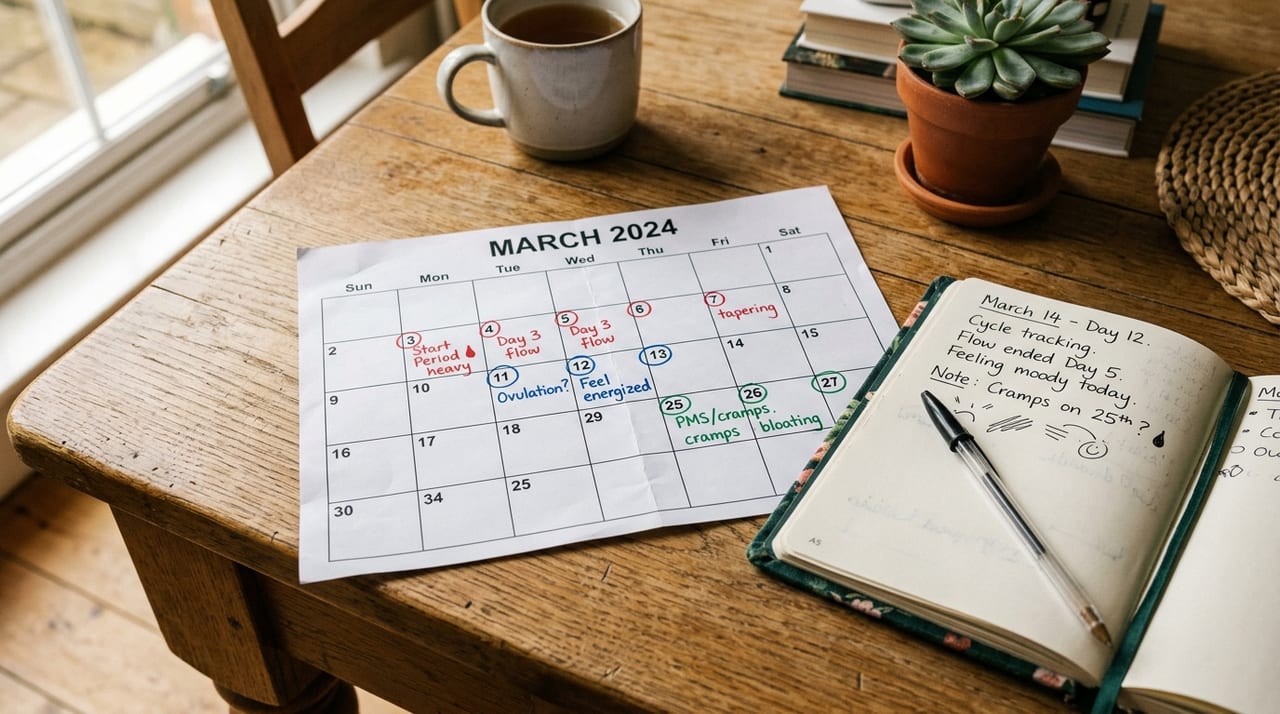
You're 47. You haven't slept through the night in months. Your period showed up twice this cycle, then disappeared for 50 days. You're not crazy. You're probably in perimenopause — and it's not the same thing as menopause. Perimenopause is the 4-to-8-year stretch before menopause, and it's where most of the chaos actually lives. Menopause itself is a single day on the calendar: the day you've gone 12 full months with no period. Average age in the US: 51. Below: the full timeline, the 34-symptom checklist doctors use, and exactly when it's time to get help.
The 3 stages of the menopause transition
Doctors use a fancy classification called STRAW+10 to map this transition. (It stands for Stages of Reproductive Aging Workshop, last updated in 2011.) Don't worry about the name. Here's what it actually means for you — three stages, with what your body is doing in each.
| Stage | Typical age | Duration | What's happening | Periods |
|---|---|---|---|---|
| Late reproductive | Late 30s – early 40s | 2–5 years | Hormones start subtle shifts; FSH (a key hormone) starts rising | Mostly regular, sometimes shorter |
| Early perimenopause | 40s | 2–4 years | Estrogen and progesterone swing wildly | Cycle length varies by 7+ days |
| Late perimenopause | Late 40s | 1–3 years | Many cycles skip ovulation entirely | 60+ day gaps between periods |
| Menopause (the day) | Average 51 | 1 calendar day | The 12-month anniversary of your final period | None for 12 months |
| Early postmenopause | 51–55 | ~5 years | Symptoms often peak; bone loss speeds up | None |
| Late postmenopause | 55+ | Rest of life | Symptoms slowly fade; long-term effects stay | None |

"Menopause is a single calendar day. Perimenopause is the 4-to-8-year stretch where most of the symptoms actually live." — ClearedRx Medical Network
What is perimenopause?
Perimenopause is the run-up to menopause. It usually starts in your early-to-mid 40s. About 1 in 10 women feel it in their late 30s. Most go through it for 4 to 8 years. A real chunk of women live in it for a decade or more.
Here's the part most articles miss. Your ovaries don't just shut off. They get erratic. Some months they ovulate normally and you get both estrogen and progesterone. Other months they skip — so progesterone tanks while estrogen can actually spike. It's this swinging, not a steady decline, that causes the mood, sleep, and cycle chaos. Symptoms often feel worst in the first half of perimenopause — surprisingly, because your hormones are still high. Just unstable.
This is also why hormone testing during perimenopause usually isn't worth it. The numbers from a blood test taken Tuesday afternoon may look completely different on Friday morning. NAMS and ACOG both call perimenopause a clinical diagnosis. Age, cycle changes, symptoms. Not a lab number.
The 34 symptoms of perimenopause (and how to spot them)
Perimenopause symptoms fall into six recognizable buckets. You don't need all 34 — most women get 6 to 12 of them. Knowing the buckets helps you tell perimenopause apart from a thyroid issue, depression, or just stress.
1. Hot flashes & night sweats
- Hot flashes
- Night sweats
- Sudden chills
- Racing heartbeat
- Skin flushing
2. Mood & mental health
- New anxiety
- Irritability or rage
- Low mood or new depression
- Random crying spells
- Stress tolerance gone
3. Brain & thinking
- Brain fog
- Can't find the right word
- Forgetfulness
- Trouble multitasking
- Decision fatigue
4. Sleep
- Trouble falling asleep
- 3 AM wake-ups
- Sleep that doesn't refresh
- Vivid dreams or nightmares
- Daytime fatigue
5. Vagina, bladder & sex
- Vaginal dryness
- Painful sex
- Repeat UTIs
- Loss of sex drive
- Sudden urge to pee
6. Body & physical
- Joint aches
- Frozen shoulder
- Thinning hair
- Dry, itchy skin
- Weight gain (especially around the belly)
- Headaches or migraines
- Ringing in your ears
- Period changes
Two of these get their own deep dives: brain fog during menopause for the thinking bucket, and progesterone for sleep for the sleep one. The full menopause symptoms guide walks through every bucket with treatment options.

What is menopause (the actual day)?
Menopause is officially the day exactly 12 months after your last period. It marks the end of your natural reproductive years. The average age in the US is 51. The normal range is about 45 to 55.
Menopause itself isn't a phase you live through. It's a milestone you spot in the rearview. The day you realize "it's been a year" is, looking back, the day you became menopausal.
What is postmenopause?
Every day after that 12-month mark, you're in postmenopause. Hormone levels stay low. Estrogen typically drops under 20 pg/mL, compared to a young woman's 30 to 400 pg/mL.
The wild swings of perimenopause are over — which can feel like relief. But chronically low estrogen brings new problems. Bones lose density faster (peak loss happens in the first 5 years after menopause). Heart disease risk picks up. And many women still get hot flashes. The long-running SWAN study tracked thousands of US women and found the typical hot flash run lasts 7.4 years. About a third of women get them for 10+ years.
This is why HRT isn't just about symptom relief. The 2022 NAMS Hormone Therapy Position Statement says: for healthy women who start HRT before age 60 or within 10 years of menopause, the benefits include bone protection and likely heart benefits — not just hot flash relief. We dig into modern HRT safety in is HRT safe?.
Should you get hormone testing?
Short answer for most women in their 40s with classic symptoms: no. Here's why.
FSH (follicle-stimulating hormone) is the test most doctors order to "check for menopause." Trouble is, during perimenopause, FSH bounces between premenopausal and postmenopausal levels from cycle to cycle — even week to week. One high reading doesn't confirm menopause. One normal reading doesn't rule out perimenopause. NAMS, ACOG, and the Endocrine Society all say: don't use FSH as a diagnostic test in symptomatic women over 45.
Hormone testing is useful in three specific cases:
- Suspected early menopause (under 45) — to confirm and rule out other reasons periods have stopped.
- Suspected early menopause before 40 (sometimes called primary ovarian insufficiency, or POI) — confirmed with two FSH tests 4 weeks apart.
- Surgical or medical menopause — when the cause and timing are clear, baseline labs help guide replacement dosing.
For everyone else, the diagnosis is clinical: your age, your cycle changes, and your symptom pattern. That's enough.
Early menopause and POI (women under 45)
Two terms get confused all the time. Here's how to tell them apart.
Early menopause is natural menopause that happens between 40 and 45. About 5% of women.
Primary ovarian insufficiency (POI), also called premature menopause, is when your ovaries lose normal function before age 40. About 1% of women. POI can be genetic, autoimmune, or follow chemo or pelvic radiation. Often the cause is never found.
Both early menopause and POI raise your long-term risk for thinning bones (osteoporosis), heart disease, and memory issues if you don't replace the missing estrogen. NAMS, ACOG, and the Endocrine Society agree: unless there's a reason HRT isn't right for you, women with early menopause or POI should be on HRT at least until age 51 (the average age of natural menopause). That's replacement, not optional supplement. The risk-benefit math is totally different from elective HRT at 55.

How treatment differs by stage
Same symptom, different prescription depending on where you are on the timeline. Take night sweats:
- In perimenopause, the goal is usually to stabilize, not replace. Low-dose hormonal birth control — often a low-dose estradiol patch with a progestin (a lab-made cousin of progesterone) — smooths out the swings while still preventing pregnancy. If you don't need birth control, a low-dose continuous plan works too.
- In menopause and early postmenopause, treatment shifts to true replacement. Most women take estrogen daily plus progesterone daily (if they still have a uterus). Our HRT types guide walks through every delivery route. The modern default for most women: a through-the-skin estradiol patch plus oral progesterone at bedtime.
- In late postmenopause, doses usually come down over time. Decisions about continuing or stopping are personal — NAMS doesn't put a hard stop date on HRT.
Vaginal estrogen is a separate question. It works locally, not through the bloodstream. Vaginal dryness, painful sex, and repeat UTIs all respond to low-dose vaginal estrogen at any stage — including in women who can't or don't want to take regular HRT.
Quick check: 5 signs you're in perimenopause
- You're between 40 and 50.
- Your periods are changing (length, flow, or timing).
- You're sleeping worse — especially waking around 3 AM.
- You feel anxious, irritable, or foggy in ways you didn't before.
- Hot flashes, night sweats, or new joint aches have shown up.
If 3 or more of those sound like you, the ClearedRx qualification quiz takes 3 minutes and tells you whether you're a good fit for treatment.
When to get help
You don't have to wait for your periods to stop. The 2022 NAMS Hormone Therapy Position Statement (read it here) explicitly supports treating bothersome perimenopausal symptoms. Nobody says you have to white-knuckle through this.
Reasonable times to talk to a clinician:
- Symptoms wreck your sleep more than 3 nights a week.
- Mood changes are hurting your work, relationships, or daily life.
- You're under 45 and have new menopause symptoms (early menopause workup).
- Vaginal symptoms or painful sex have started.
- You've gone 60+ days without a period in early perimenopause and want to talk about bridge birth control or replacement.
Common questions about perimenopause and menopause
How do I know if I'm in perimenopause or menopause?
If you're still having any periods — even irregular ones — you're in perimenopause. Menopause is exactly 12 months in a row with no period. Average age in the US is 51. Perimenopause usually starts in the early-to-mid 40s and lasts 4 to 8 years.
Is hormone testing useful during perimenopause?
Usually no. FSH and estrogen levels swing wildly from day to day in perimenopause, so a single blood draw rarely tells the full story. NAMS and ACOG both say perimenopause is a clinical diagnosis — your age, cycle changes, and symptoms — not a lab number. Testing is more useful for suspected early menopause (under 45) or surgical menopause.
Can I start HRT during perimenopause?
Yes. You don't have to wait for your periods to stop. If perimenopausal symptoms are wrecking your sleep, mood, work, or relationships, HRT or low-dose birth control can smooth out the swings. The 2022 NAMS position statement supports treatment as soon as symptoms get bothersome.
What's the difference between menopause and postmenopause?
Menopause is a single calendar day — the day you've gone 12 months without a period. Every day after that, you're in postmenopause. Postmenopause is the rest of your life. Symptoms can stick around for years. The SWAN study found the average run of hot flashes is 7.4 years. About a third of women get them for 10+ years.
What is early menopause and POI?
Early menopause is natural menopause before 45. Primary ovarian insufficiency (POI) is loss of ovarian function before 40, affecting about 1 in 100 women. Both raise long-term risk for thinning bones and heart disease. Current NAMS guidance: HRT until at least 51 (the average age of natural menopause), unless something rules it out.
Will perimenopause affect my fertility?
Yes. Fertility drops significantly during perimenopause, but it isn't zero until you've reached menopause. If you don't want pregnancy, keep using birth control through these years. If you do want pregnancy in your late 30s or early 40s, get a fertility evaluation now rather than waiting.
Symptoms started before 50?
You don't have to wait until your periods stop. Tell us what's happening. A ClearedRx doctor will build a starting plan for your stage — stabilizing perimenopause, replacement HRT, or vaginal-only treatment. No video call needed.
Get My Starting Plan